We noticed that you're about to leave. Is there anything else we can assist you with? Don't forget to subscribe to our newsletter to stay updated with discounts and updates! We can't wait to offer you great deals and content. Thank you and hope to see you again soon!
In the world of modern restorative dentistry, zirconium crowns have emerged as the gold standard for patients seeking a perfect balance between aesthetic beauty and structural durability. However, when researching this treatment, patients often find themselves overwhelmed by a vast array of price points and quality claims. Understanding the intricate Factors Affecting Quality and Cost of Zirconium Dental Crowns is essential for anyone looking to invest in a long-lasting, healthy smile.
At Clinic 14, we believe that an informed patient is a satisfied patient. This comprehensive guide explores why zirconium costs vary, the science behind the materials, and how you can identify the highest quality restorations for your dental health.
1. What is a Zirconium Dental Crown? An In-Depth Look
Zirconium (Zirconium Dioxide) is a high-performance ceramic material known for its incredible strength and biocompatibility. Historically used in aerospace and hip replacements, its transition to dentistry revolutionized how we approach smiles. Unlike traditional porcelain-fused-to-metal (PFM) crowns, zirconium does not use a dark metal substructure.
The Evolution of Zirconium in Dentistry
Initially, zirconium was used primarily as a “framework” material because of its high opacity—it was strong but looked quite white and chalky. However, through advances in material science, we now have “monolithic” zirconium and “multi-layered” blocks. These modern versions allow light to pass through the material in a way that mimics the organic structure of a human tooth, combining the strength of metal with the beauty of glass ceramics.
Key Characteristics:
High Flexural Strength: Measured in MegaPascals (MPa), premium zirconium can withstand forces exceeding 1,200 MPa, making it virtually unbreakable under normal chewing conditions.
Natural Translucency: Modern “High-Translucent” (HT) zirconium reflects light from the internal layers, avoiding the flat, artificial look of older crowns.
Biocompatibility: Zirconium is chemically inert. This means it doesn’t oxidize or corrode, preventing the “black line” at the gum margin and ensuring the surrounding tissue stays healthy and pink.
2. Factors Determining the Quality of Zirconium Crowns
Quality in dentistry isn’t just about how the tooth looks on day one; it’s about how it performs ten years later. This depends on three critical pillars: raw materials, technology, and human artistry.
A. The Origin and Brand of the Zirconium Blocks
Not all zirconium is created equal. The material starts as a solid block (disc) produced by specialized manufacturers.
Premium Brands (Tier 1): Brands like Ivoclar Vivadent (e.max ZirCAD), Vita Zahnfabrik, and Kuraray Noritake are industry leaders. These companies use a highly refined “Tosoh” powder, which results in a consistent molecular structure. This consistency ensures that the crown won’t shrink unevenly during the firing process in the dental lab.
Generic Blocks (Tier 3): To lower costs, some labs use generic blocks from unregulated sources. These may contain microscopic impurities or inconsistent grain sizes. Over time, these structural flaws can lead to “micro-fractures” or a loss of translucency, causing the crown to look dull or break prematurely.
B. Translucency and Multi-layered Gradient Technology
The secret to a beautiful smile is “color depth.” A natural tooth is not one solid color; it is darker and more opaque at the root and gradually becomes more translucent and lighter toward the biting edge (incisal edge).
Multi-layered (ML) Blocks: High-quality zirconium discs are now manufactured with built-in color layers. This “gradient technology” allows the milling machine to carve a tooth that naturally transitions in shade, reducing the need for heavy external staining which can wear off over time.
Optical Properties: Quality zirconium manages “chroma” (intensity) and “value” (brightness) effectively. Lower quality materials often have a “high value,” making them look unnaturally bright—frequently referred to as the “bathroom tile” effect.
C. Precision of CAD/CAM Fabrication and Digital Mapping
The “fit” of a crown is determined by how well it seals against the prepared tooth. A gap as small as 50 microns can allow bacteria to enter, leading to tooth decay under the crown.
Digital Accuracy: Clinics that utilize high-end CAD (Computer-Aided Design) and CAM (Computer-Aided Manufacturing) software can achieve a precision fit that is impossible with manual methods.
The Sintering Process: After milling, zirconium must be “sintered” in a high-temperature furnace. Quality labs use slow-cooling protocols. If a lab rushes this process to save time, the zirconium becomes brittle. Quality takes time, and that time is a factor in the final cost.
3. Why Do Costs Vary? Understanding the Pricing Ecosystem
When you see a price for a zirconium crown, you are paying for an entire supply chain of quality.
1. Material Selection and Waste Management
Premium multi-layered blocks can cost 3 to 4 times more than standard blocks. Furthermore, to get the perfect color gradient from a multi-layered disc, a lab might only be able to mill a few crowns per disc to ensure the “incisal” part of the tooth aligns with the “incisal” part of the material. This increased “waste” for the sake of beauty adds to the cost.
2. The Artistic Touch: Master Technicians
A milling machine only produces the “blank.” The final characterization—adding subtle ridges, translucency effects, and custom staining—is done by hand. A Master Dental Technician is an artist who understands how to match a single crown to your existing teeth. Their labor is one of the most significant variables in pricing.
3. Technology and In-House Capabilities
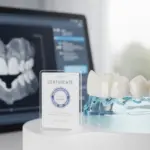
Clinics like Clinic 14 that invest in 3D intraoral scanners (like iTero or 3Shape) eliminate the errors associated with traditional silicone impressions. These machines require significant investment, maintenance, and software updates, but they ensure that the patient doesn’t have to return for “adjustments” because the fit was wrong.
4. Specialist Expertise: Prosthodontists vs. Generalists
While any dentist can technically fit a crown, a Prosthodontist is a specialist who has completed 3+ years of additional residency focusing solely on tooth restoration and replacement. They look at your “occlusion” (how your teeth bite together) and “smile line” with a level of detail that ensures the crowns don’t just look good, but function harmoniously with your jaw joint (TMJ).
4. Comparing High-Quality vs. Low-Cost Zirconium
Feature
Premium Zirconium (Clinic 14 Standard)
Budget / Low-Cost Zirconium
Material Base
Grade A Tosoh Powder / Multi-layered
Generic / Industrial Grade Powder
Aesthetics
Life-like, 3D depth, light-reflective
Flat, opaque, “solid white” appearance
Marginal Fit
Micro-precision (50-80 microns)
Possible gaps (150+ microns)
Gum Response
Biocompatible, promotes tissue growth
Potential for “black line” or inflammation
Durability
1,200+ MPa Flexural Strength
Variable; prone to surface chipping
Longevity
15 – 20 years with proper hygiene
3 – 7 years (often requires replacement)
5. The Clinical Process: Step-by-Step Excellence
At top-tier clinics, the process is designed for comfort and precision:
Digital Consultation & 3D Imaging: We use CBCT scans to ensure the bone and root health can support the new crown.
Smile Design: Using “Digital Smile Design” software, we can show you a “mock-up” of your new smile before we even touch your teeth.
Conservative Tooth Preparation: Zirconium requires less tooth removal than PFM crowns. We preserve as much of your natural enamel as possible.
Intraoral Scanning: We capture a 3D digital map of your prep. No gagging on impression material.
Temporary Restoration: You will never leave the clinic with a “gap.” We provide high-quality temporaries that allow you to function normally.
Final Bonding: We use “dual-cure” adhesive cements that chemically bond the zirconium to your tooth, creating a single, strong unit.
6. Maintenance, Longevity, and Your Investment
A zirconium crown is an investment. To ensure it lasts a lifetime, consider the following:
Avoid “Parafunctional” Habits: Using your teeth to open packages or bite nails can cause even the strongest zirconium to chip over time.
Occlusal Protection: If you show signs of tooth grinding (bruksizm), we highly recommend a custom-fitted night guard. This protects the porcelain aesthetics from the massive pressures of nighttime grinding.
Gum Care is Key: While the crown cannot decay, the tooth under the crown can. Regular flossing and professional cleanings are non-negotiable to prevent gum recession.
Value Over Price
Choosing zirconium crowns is a decision that affects your health, your appearance, and your long-term finances. While “budget” options may seem attractive initially, the cost of frequent replacements and potential dental health issues often makes them more expensive in the long run.
At Clinic 14, we prioritize the use of world-class materials and cutting-edge technology to ensure your smile is as durable as it is beautiful. For a deeper dive into the world of dental health and to see how we apply these quality standards, visit our dental health resources.







 English
  Français
  Deutsch
  Italiano
  Čeština
  Español
  العربية